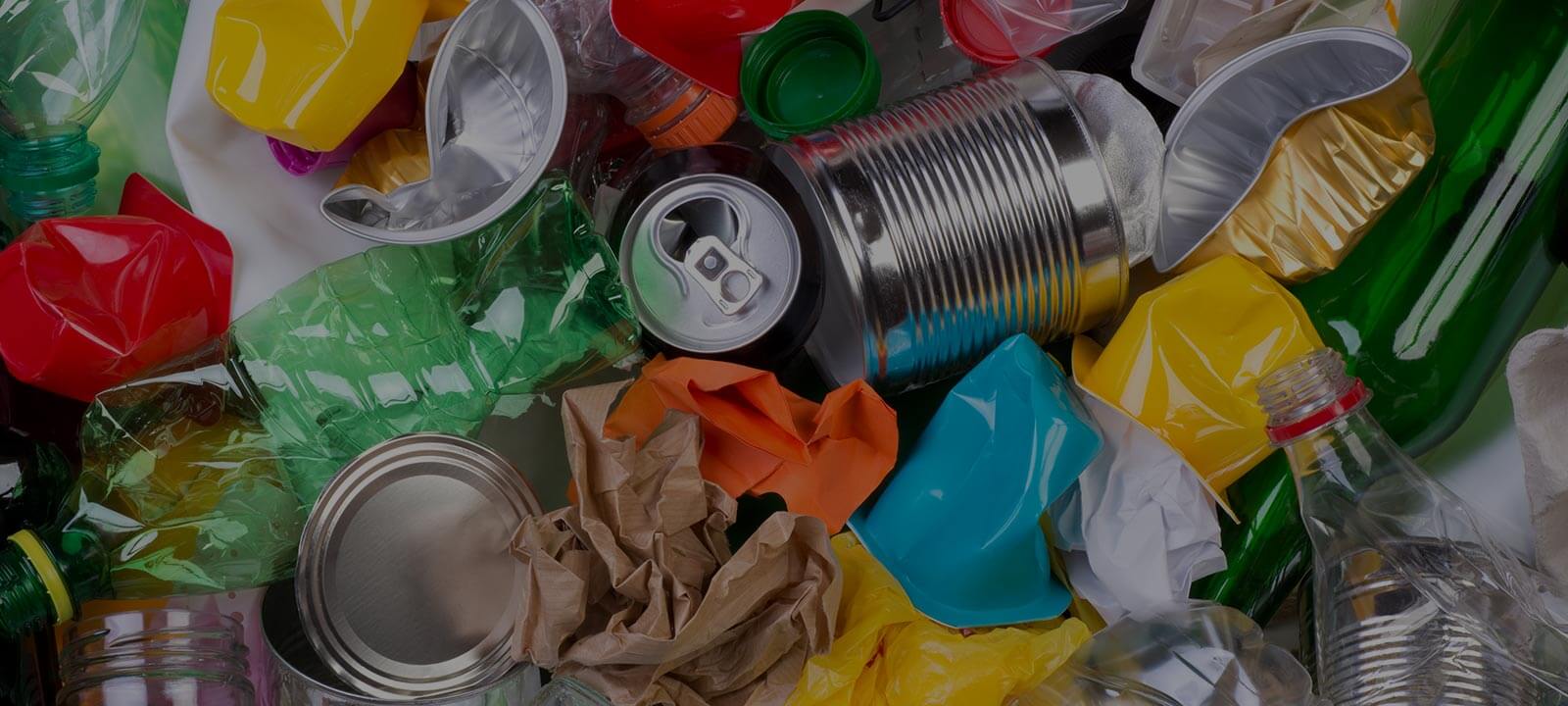
Recycling And Sustainability With London Waste Removals
London Waste Removals is committed to eco-friendly waste disposal and genuinely sustainable rubbish removal across the capital. From Enfield to Croydon and from Hammersmith to Hackney, our goal is to keep as much material as possible out of landfill while keeping our carbon footprint as low as we can.
Our Recycling Percentage Target
We are working towards a minimum recycling and reuse rate of 92 percent for all suitable loads we collect. This target covers the everyday rubbish removal work we carry out for homes, offices, shops and construction sites across London. We continuously review our routes, sorting processes and partnerships to push that percentage higher wherever local recycling facilities make it possible.
To support this recycling target, our teams are trained to separate materials on site whenever practical, particularly clean cardboard, metals, wood and electronic waste. This early separation helps reduce contamination and increases the volume we can divert from general waste streams.
Using Local London Transfer Stations
Eco-friendly waste disposal starts with taking rubbish to the right place. We work with a network of licensed local transfer stations across London, including facilities used by boroughs such as Camden, Islington, Lambeth, Southwark, Newham and Haringey. These sites specialise in sorting and processing mixed loads, recovering recyclables such as metals, plastics, cardboard, glass and aggregates before any residual waste is sent for energy recovery.
By using transfer stations that already serve local council recycling schemes, we can mirror and support the way Londoners are encouraged to separate their waste at home. For example, where boroughs operate separate food waste collections or encourage dry mixed recycling in colour coded bins, we ensure our own sorting and disposal follows the same principles, maximising the chance of recovery and reducing the amount of rubbish that becomes general waste.
Partnerships With Local Charities And Reuse Organisations
Recycling is important, but reuse is even better. Before anything is treated as waste, we look for reuse opportunities through charities and community groups across London. We regularly divert furniture, office chairs, desks, storage units, household items, bikes and appliances that are still in good condition away from disposal and into local reuse schemes.
Our team can often identify items suitable for donation during a clearance. Where possible, these items are set aside, listed and then directed to partners who specialise in passing them on to households in need, social enterprises or creative reuse projects. This approach supports local communities, reduces the demand for new products and cuts the overall environmental impact of each clearance.
Low-Carbon Vans And Smarter Routing
Sustainable rubbish removal is not only about what happens to waste after collection; it is also about how we move around the city. Our fleet is transitioning to low-carbon vans, including modern Euro 6 vehicles and selected hybrid and low-emission models chosen for urban work. These vehicles produce significantly fewer pollutants and help us support London wide efforts to improve air quality.
In addition to cleaner vehicles, we plan our routes carefully to avoid unnecessary mileage. We group collections by area where possible, so a single van can handle several jobs in nearby streets, whether that is a mix of residential clearances in Waltham Forest or commercial rubbish removal in Westminster. This reduces fuel use, cuts congestion and ensures that eco-friendly waste disposal principles guide every stage of our operations.
Supporting Borough Recycling And Waste Separation
London boroughs each have their own approach to recycling and waste separation, from dual stream systems with separate bins for paper and containers, to mixed dry recycling with separate food waste caddies. We design our services to fit around these local systems rather than working against them.
For example, in areas where residents are used to separating glass, paper, plastics and tins, our crews will keep those materials separated as far as is practical during a collection. In locations where garden waste or food waste streams are strong, we work to ensure that similar organic materials we collect can be directed to appropriate composting or anaerobic digestion facilities via the transfer stations we use.
Specialist Recycling Activities
Beyond everyday rubbish removal, we manage several specialist recycling activities that are particularly relevant to London. Construction and refurbishment projects often produce large quantities of wood, metal and rubble. Wherever facilities exist, we prioritise sending these materials for recycling as timber, metal scrap and recycled aggregates rather than treating them as mixed general waste.
We also handle office and retail clearances where large volumes of cardboard, shelving, racking and electrical equipment are involved. Cardboard is baled or bulked up for recycling, metal fixtures are separated, and electronic waste is passed to authorised treatment facilities that can recover valuable components safely and in line with regulations.
Continuous Improvement And Transparent Practices
Reaching and maintaining high recycling and reuse rates requires constant monitoring and improvement. We regularly review our performance against our 92 percent recycling percentage target and work with transfer stations and reuse partners to identify new opportunities. As more low-carbon vehicles and advanced sorting technologies become available in London, we adapt our service so that customers always benefit from the most sustainable options we can provide.
Our aim is simple: to give households, landlords, businesses and contractors across London a rubbish removal service that is convenient, cost-effective and genuinely eco-friendly. By combining local knowledge, responsible partnerships and low-carbon transport, London Waste Removals helps turn everyday clearances into a practical part of the city’s wider sustainability efforts.